.svg)
Guests today don’t want to wait. They want speed, convenience, and control, right at their table. Whether it’s scanning a QR code, browsing a digital menu, or placing an order without waiting for a server, expectations have shifted dramatically over the past few years.
That’s exactly why a table ordering system for restaurants has moved from a “nice-to-have” to a core part of modern restaurant operations. From full-service restaurants and fast casual outlets to high-volume casual dining brands, digital table ordering is redefining how restaurants serve, sell, and scale.
In this guide, you’ll learn:
- What a restaurant table ordering system is
- How it works in real-world operations
- The key benefits, including speed, higher checks, and lower costs
- What features to look for
- How to choose the right system for your restaurant
If you're looking to improve service speed while increasing revenue per table, this is where it starts.
What Is a Table Ordering System for Restaurants?
A table ordering system for restaurants is a digital solution that allows guests to browse menus, place orders, and sometimes pay directly from their table without relying entirely on staff interaction.
It’s designed to streamline front-of-house operations while giving guests more control over their dining experience.
Common Types of Table Ordering Systems
- QR Code Ordering for Restaurants
Guests scan a QR code placed on the table using their phone, opening a digital menu where they can order and pay. - Tableside Tablets
Restaurants provide tablets at each table for browsing menus and placing orders. - Server Handheld POS Devices
Waitstaff take orders on handheld devices that send orders directly to the kitchen system.
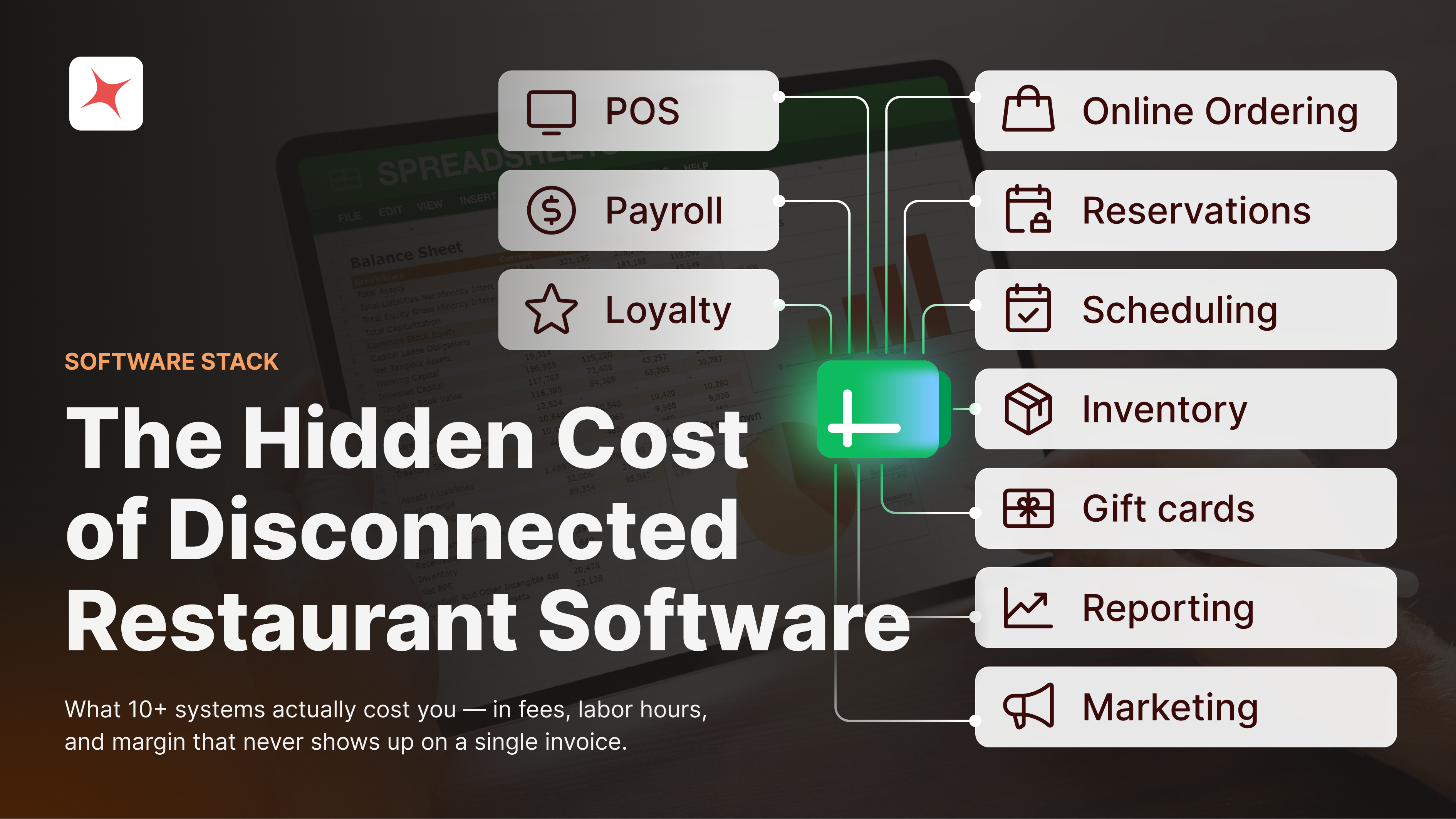
How It Connects to Your Restaurant Tech Stack
A modern restaurant table ordering system integrates tightly with:
This ensures that orders flow instantly from the table to the kitchen, reducing delays and eliminating manual errors.
Why Table Ordering Systems Are Taking Over in 2026
Restaurants in 2026 are operating in a completely different environment than even a few years ago. Rising costs, staffing challenges, and changing guest expectations are pushing operators toward smarter, more efficient systems.
Here’s why digital table ordering is becoming the norm:
1. Demand for Contactless and Self-Service
The shift toward contactless ordering for restaurants has made QR-based systems mainstream. Guests now prefer minimal friction and faster service.
2. Labor Shortages and Rising Costs
Hiring and retaining staff is harder and more expensive. Table ordering systems reduce reliance on repetitive front-of-house tasks.
3. Faster Table Turns
The quicker guests can order and pay, the faster tables can turn, directly impacting revenue during peak hours.
4. Guest Preference for Control
Customers like browsing at their own pace, customizing orders, and not waiting for staff.
5. Growth of First-Party Ordering
Restaurants want to own their customer relationships and data instead of relying on third-party platforms.
How a Restaurant Table Ordering System Works
A tableside ordering system may look simple from the guest’s perspective, but behind the scenes, it’s powered by real-time integrations and automation.
Here’s how it works step by step:
Step 1: Guest Access
The guest scans a QR code or opens a table device.
Step 2: Browse the Menu
They see a live, digital menu with:
- Real-time pricing
- Item availability
- Images and descriptions
Step 3: Customize and Order
Guests can modify dishes with add-ons, preferences, and combos, and place their order instantly.
Step 4: Order Sent to POS and KDS
The order flows directly into the POS and is pushed to the kitchen display system without manual intervention.
Step 5: Kitchen Prepares
The kitchen receives the order instantly and starts preparation.
Step 6: Delivery
Staff deliver food to the table.
Step 7: Payment
Guests can pay digitally using UPI, cards, or wallets, or settle at the counter.
This seamless flow is what makes digital table ordering both efficient and scalable.
Key Benefits of Using a Table Ordering System
Implementing a QR code ordering system for restaurants delivers measurable operational and financial benefits.
1. Faster Ordering, Reduced Wait Times
No waiting for menus, servers, or billing. Orders happen instantly.
2. Higher Order Accuracy
Since guests enter their own orders, errors caused by miscommunication are eliminated.
3. Increased Average Guest Check (AOV)
Digital interfaces enable:
- Upsell prompts
- Add-on suggestions
- Combo recommendations
This can significantly increase revenue per table.
4. Lower Front-of-House Labor Load
Staff can focus on hospitality instead of repetitive order-taking.
5. Better Guest Experience
Guests feel more in control, leading to higher satisfaction and repeat visits.
6. First-Party Data Collection
Restaurants can capture valuable guest data for marketing and personalization.
7. Seamless Omnichannel Operations
The same system can support dine-in, takeaway, and delivery, creating a unified experience.
Must-Have Features in the Best Table Ordering System
Not all systems are created equal. The best restaurant table ordering system should include:
Core Operational Features
- POS and KDS integration
- Real-time menu sync and availability
- Easy item modifiers and customization
Revenue-Driving Features
- Built-in upsell prompts
- Combo and bundling options
Guest Experience Features
- Digital payments and split billing
- Multi-language support
- Fast, mobile-friendly interface
Brand and Control
- Custom branding such as logo, colors, and menu design
- Ownership of customer data
Intelligence and Reliability
- Analytics and reporting dashboards
- Offline fallback capabilities
If your system lacks these, you’ll likely face operational friction down the line.
Table Ordering vs Traditional Server Ordering
Let’s be real. This isn’t about replacing servers. It’s about optimizing how work gets done.
Speed and Efficiency
- Table ordering: Instant
- Traditional: Depends on staff availability
Accuracy
- Table ordering: High with guest-entered orders
- Traditional: Prone to human error
Staff Workload
- Table ordering: Reduced
- Traditional: High during peak hours
Guest Experience
- Table ordering: Control and speed
- Traditional: Human interaction
Best Fit for Table Ordering
- Casual dining
- Full service and Fine dining
- Cafés
- High-volume restaurants
The Future: Hybrid Model
The smartest restaurants combine both. Digital ordering for efficiency, staff for hospitality.
How to Choose the Right Table Ordering System for Your Restaurant
Picking the wrong system can create more problems than it solves. Here’s how to evaluate your options:
Key Questions to Ask
- Does it integrate natively with your POS?
Avoid systems that rely on patchwork integrations. - Is it fast and intuitive for guests?
If it’s clunky, adoption will drop. - Can it handle your menu complexity?
Modifiers, combos, and variants should work seamlessly. - Can it scale across locations?
Multi-location brands need centralized control. - Does it increase guest checks?
Look for built-in upselling capabilities. - What’s the total cost?
Consider setup, subscription, and hidden fees.
Red Flags to Watch Out For
- Dependence on third-party tools
- Slow or laggy interface
- Limited customization
- Poor reporting capabilities
How NOVA Powers Table Ordering for Modern Restaurants
NOVA is designed from the ground up as an AI-native, all-in-one platform for modern restaurant operations, where table ordering is not treated as an add-on but as a core part of the system. This means every order placed at the table is seamlessly connected to your POS, kitchen, menu, and data layer in real time. Instead of juggling multiple tools or dealing with fragmented workflows, restaurants operate on a single, unified restaurant management platform that ensures faster service, better accuracy, and complete visibility across every touchpoint of the guest journey.
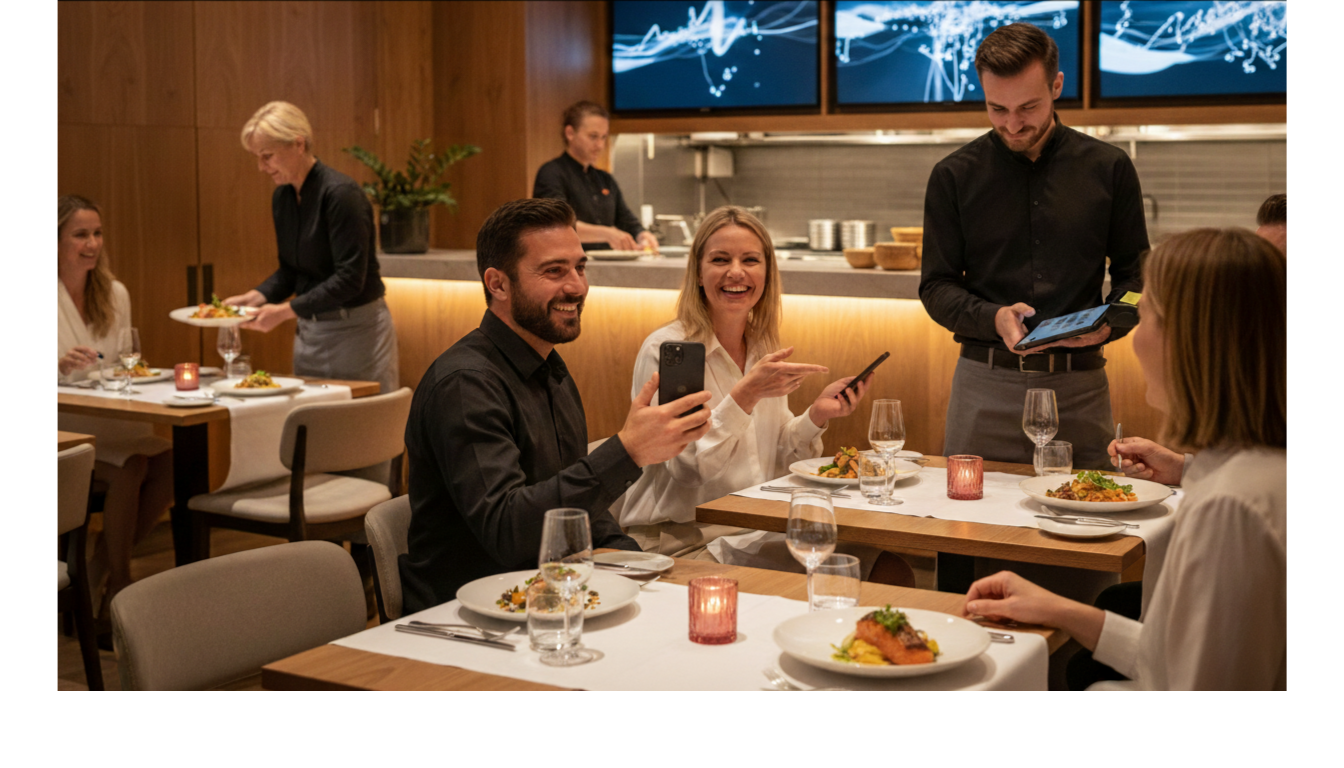
Handheld POS for Staff Efficiency
Equip your staff with handheld POS devices to take orders anywhere on the floor and send them instantly to the kitchen. This ensures faster service, reduces errors, and supports a seamless hybrid model where digital ordering and staff-assisted service work together.
Built-In QR Table Ordering
No need for third-party tools. Guests can scan and order instantly.
Smart Upsells
Increase AOV with intelligent combo and add-on recommendations.
Real-Time Menu Sync
Menus stay accurate across all channels with no mismatches.
First-Party Ordering
Own your guest data and build direct relationships.
AI Insights
Understand ordering behavior and optimize menus for higher revenue.
Multi-Location Ready
Manage menus, pricing, and operations centrally across outlets.
Built for Real Operational Impact
NOVA’s table ordering system doesn’t just digitize ordering; it improves how your restaurant runs every day. From reducing friction at the table to optimizing kitchen flow, the impact shows up across service speed, revenue, and efficiency.
Restaurants using NOVA typically see:
- Faster ordering and reduced wait times during peak hours
- Higher average guest checks through smart upsells and combos
- Lower dependency on front-of-house staff for order taking
- Improved order accuracy with direct-to-kitchen workflows
- Better visibility into guest behavior and menu performance
The result is a smoother service experience for guests and a more predictable, scalable operation for operators.
KPIs to Track With a Table Ordering System
To truly understand the impact of your table ordering system, track these key metrics:
- Order-to-fire time
- Average guest check or AOV
- Table turn time
- Order accuracy rate
- Labor cost per shift
- Percentage of orders via table ordering
- Guest satisfaction and feedback scores
These KPIs help you quantify both operational efficiency and revenue growth.
FAQs About Table Ordering Systems for Restaurants
What is a table ordering system in restaurants?
It’s a digital system that allows guests to browse menus, place orders, and pay directly from their table using QR codes or devices.
Do guests prefer QR code ordering?
Yes, especially in fast-paced environments. Guests value speed, convenience, and control.
Is table ordering expensive to implement?
Modern systems are cost-effective and often deliver ROI quickly through labor savings and higher order values.
Can table ordering replace servers?
No. It reduces repetitive tasks and allows staff to focus on guest experience.
Is it secure for payments?
Yes, most systems support secure, encrypted digital payment methods.
Conclusion: Turn Every Table Into a Smart Ordering Point
Table ordering is no longer just a tech upgrade. It’s a growth lever.
The right table ordering system for restaurants helps you:
- Serve faster
- Reduce errors
- Increase guest spend
- Lower operational costs
But the real impact comes from how well it integrates with your POS and kitchen systems. That’s what turns a simple ordering tool into a complete operational advantage.
See how NOVA’s AI-native table ordering system helps you serve faster, sell smarter, and delight guests. Book a free demo today.