What Are Pop-Up Restaurants and Why They Are Changing How We Dine (and Do Business)

Pop-up restaurants have become one of the fastest-growing trends in the food industry. According to Yelp data, pop-up dining experiences grew by more than 155% over the last three years. Eventbrite reports an over 82% growth in pop-up dinners year-on-year. Meanwhile, Gen Z and Millennials say they prefer limited-time, experiential dining formats over traditional restaurants.
In other words, temporary restaurants are becoming a permanent part of modern food culture.
If you have ever wondered what are pop up restaurants, how they work, or why they are exploding in popularity, this guide breaks it all down for both diners and entrepreneurs.
What Are Pop-Up Restaurants?
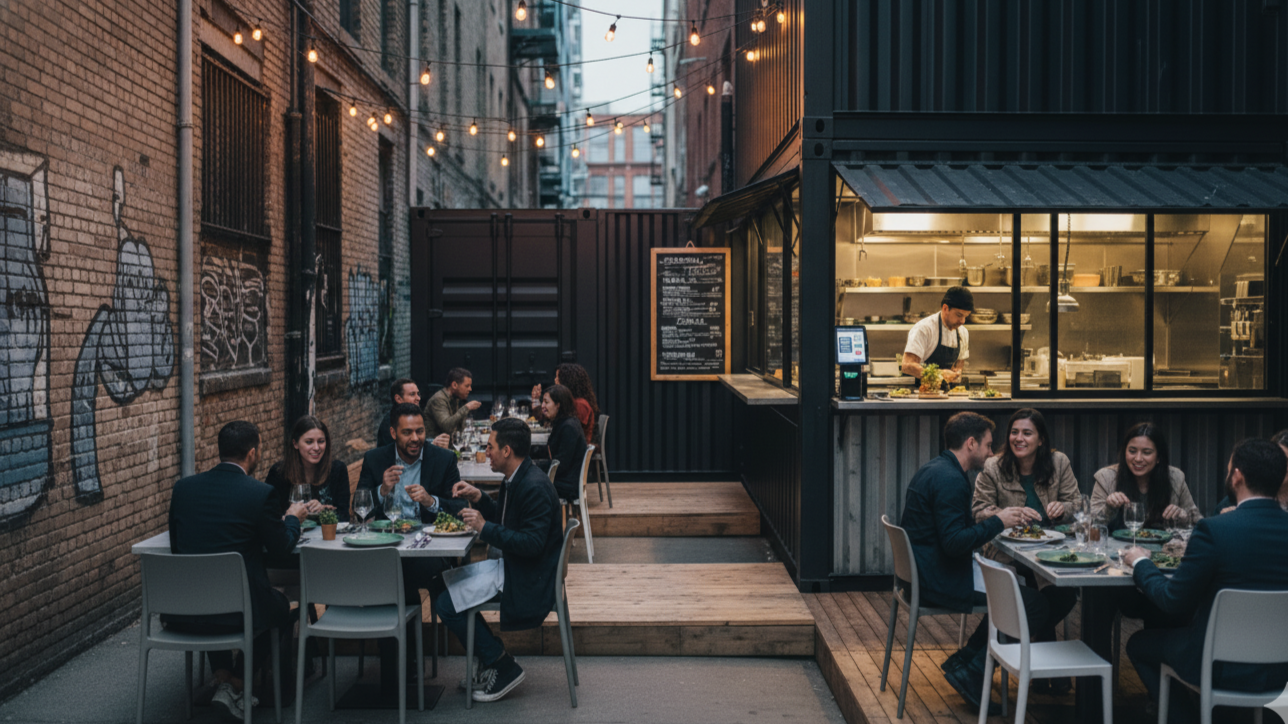
Pop-up restaurants are temporary dining experiences set up for a short period, sometimes a single evening or sometimes a few months. They frequently operate in unconventional spaces such as event venues, breweries, rooftops, cafés after hours, farmers markets, or vacant retail locations.
They are known for:
- Limited-time availability
- Creative or themed concepts
- Curated menus
- Flexible operations
- High social media buzz
For diners, pop-ups offer exclusive, memorable experiences. For entrepreneurs, they provide a low-risk testing ground for new ideas.
How Do Pop-Up Restaurants Work?
Pop-ups may feel spontaneous, but they usually follow a well-organized operational structure.
1. The Concept and Theme
Every pop-up starts with a central idea such as a unique cuisine, a tasting menu, an immersive theme, or a chef collaboration.
2. Finding the Space
Operators choose flexible locations such as cafés during off-hours, rooftops, galleries, food festivals, or empty storefronts.
3. Licensing and Setup
Even temporary restaurants must comply with health and safety regulations, obtain permits, and set up portable or modular kitchens.
4. Menu Design
Menus are usually limited, seasonal, creative, and designed for fast execution.
5. Technology and POS Setup
Modern pop-ups rely heavily on:
- Mobile POS systems
- Cloud-based menus and payments
- Portable hardware
- Real-time inventory visibility
Technology ensures speed, efficiency, and a smooth customer experience.
6. Marketing and Reservations
Pop-ups thrive on digital hype through:
- Instagram teasers
- Limited-time booking drops
- Influencer collaborations
- WhatsApp and SMS campaigns
- Online pre-orders
7. Execution and Guest Experience
The appeal lies in intimate dining, themed decor, and direct interactions with chefs or creators.
8. Wrap-Up and Learnings
Entrepreneurs analyze sales, demand, top dishes, and feedback to decide whether to repeat, refine, or scale the concept.
Why Pop-Up Restaurants Are So Popular With Diners
Pop-ups tap into the modern desire for novelty and exclusivity.
Novelty and FOMO Appeal
Guests enjoy limited-time experiences that feel unique and urgent.
Immersive and Instagrammable Settings
Themes, decor, and storytelling create shareable moments.
Direct Chef Interaction
Diners often meet the creators behind the concept, making it more personal.
Community and Cultural Discovery
Pop-ups often highlight regional cuisine, fusion ideas, or chef-driven experiments.
Why Pop-Up Restaurants Are a Goldmine for Entrepreneurs
For restaurant owners, food creators, and aspiring chefs, pop-ups offer major business advantages.
Low Investment and Low Risk
No long-term leases or expensive interiors.
Ideal for Market Testing
Test menu ideas, pricing, and brand positioning before committing.
Flexible, Controlled Operations
Run for a day, a week, or a season.
Brand Building and Buzz
Pop-ups create strong word-of-mouth and early loyal fans.
High Collaboration Potential
Ideal for partnerships with cafés, breweries, brands, or event organizers.
How to Start a Pop-Up Restaurant: A Practical Step-by-Step Guide
Pop-up restaurants are often seen as experimental or temporary, but launching one still requires careful planning. Whether you’re a first-time food entrepreneur or an established restaurateur testing a new concept, following a structured approach can help you reduce risk and maximize impact.
Here’s a practical, end-to-end guide to getting started.
1. Define Your Concept and Objective
Start with clarity. A successful pop-up is built around a focused idea, not a full-scale restaurant menu.
Ask yourself:
- Are you testing a new cuisine, menu, or brand?
- Is this a short-term revenue play or a long-term market test?
- Who is your ideal customer?
Your concept should be:
- Narrow in scope
- Easy to execute in a limited timeframe
- Distinct enough to create buzz
Examples include a weekend-only tasting menu, a seasonal theme, or a collaboration with a known chef or brand.
2. Choose the Right Location and Format
Pop-up restaurants work best when the location aligns with the concept and audience.
Common formats include:
- Vacant restaurant spaces during off-hours
- Cafes or bars looking to increase footfall
- Food halls or shared kitchens
- Outdoor events, festivals, or markets
When evaluating a space, consider:
- Foot traffic and visibility
- Kitchen access and equipment
- Seating capacity and layout
- Duration and rental flexibility
Short-term agreements are ideal, as they keep overhead low and preserve flexibility.
3. Handle Permits, Licenses, and Compliance
Even temporary restaurants must follow local health and safety regulations.
Typical requirements may include:
- Food service or temporary restaurant permit
- Health department inspection approval
- Food handler certifications
- Alcohol license, if applicable
- Liability insurance
Requirements vary by city and state, so it’s important to confirm regulations early to avoid delays or penalties.
4. Plan Your Budget and Pricing Strategy
Pop-ups have lower costs than permanent restaurants, but expenses still add up quickly.
Key cost areas include:
- Space rental
- Ingredients and supplies
- Temporary staff or contractors
- Marketing and promotions
- POS and payment processing
Pricing should reflect:
- Limited availability
- Unique experience
- Cost recovery within a short window
Many pop-ups succeed with prix fixe menus or limited offerings, which simplify operations and improve margins.
5. Set Up Operations and Payments
Smooth operations are critical, especially during short, high-traffic service windows.
Make sure you have:
- A simple, limited menu
- Clear prep and service workflows
- Reliable payment acceptance
- Real-time sales visibility
Using a flexible, modern POS system allows pop-up operators to:
- Accept multiple payment types
- Track sales by item or service period
- Manage staff and tips
- Close out quickly without manual reconciliation
This operational clarity is essential when every service day counts.
6. Promote Your Pop-Up Effectively
Marketing determines whether a pop-up feels exclusive or empty.
Effective promotion strategies include:
- Social media countdowns and teasers
- Collaborations with local influencers or creators
- Email lists and SMS alerts
- Limited reservations or ticketed entry
Scarcity is your advantage. Clear dates, limited seats, and a defined endpoint help create urgency and drive demand.
7. Measure Results and Decide What’s Next
After the pop-up ends, review performance carefully.
Key metrics to evaluate:
- Revenue vs. total cost
- Best-selling items
- Customer feedback and reviews
- Social engagement and brand visibility
Use these insights to decide whether to:
- Repeat the pop-up
- Refine the concept
- Expand into a permanent location
- Use learnings for another brand or menu test
A well-run pop-up should leave you with clear data, not just memories.
The Technology Behind Successful Pop-Up Restaurants
Modern pop-ups depend heavily on technology because their model is fast-paced, temporary, and high-volume.
Here is what the right tech enables:
- Mobile ordering and fast digital payments
- Cloud-based POS that works anywhere
- Guest data collection for future marketing
- Restaurant CRM and loyalty features
- Real-time inventory tracking
- Online ordering for pre-booking and ticketed events
Without the right technology, pop-ups face long queues, slower service, and lost revenue.
Why Choosing the Right Technology Matters
Pop-ups operate with:
- High traffic
- Low staff
- Tight spaces
- Temporary setups
- Limited equipment
The right system ensures:
- Faster service
- Higher revenue per guest
- Smooth ordering and payments
- Accurate analytics
- Guest retention after the event
The wrong system slows everything down.
How NOVA Helps Pop-Up Restaurants Succeed
NOVA is built for fast, flexible, modern restaurant operations, which makes it a natural fit for the dynamic nature of pop-up restaurants. NOVA also works with some of the biggest fairground operators in the country, where they move from one location to another and require fully mobile, easy-to-deploy setups. The same mobility and operational efficiency that powers these large-scale mobile operators is what makes NOVA perfect for pop-ups. Whether it is a weekend event or a month-long residency, NOVA helps operators launch quickly, serve efficiently, and collect valuable guest insights.
Mobile-First, All-in-One POS
NOVA’s mobile POS allows operators to run their entire pop-up from a smartphone or tablet, making setup incredibly easy and location independent. This flexibility is ideal for temporary venues where traditional POS systems are not practical. Staff can instantly manage orders, process payments, and access menu updates from anywhere in the pop-up space.
Go Live in Minutes
Pop-ups work on tight timelines, and NOVA is designed for instant deployment. Operators can set up menus, configure ordering, and onboard staff in just a few minutes. This reduces operational friction and allows teams to focus on delivering a great guest experience instead of troubleshooting technology.
QR Code Ordering for Tight Spaces
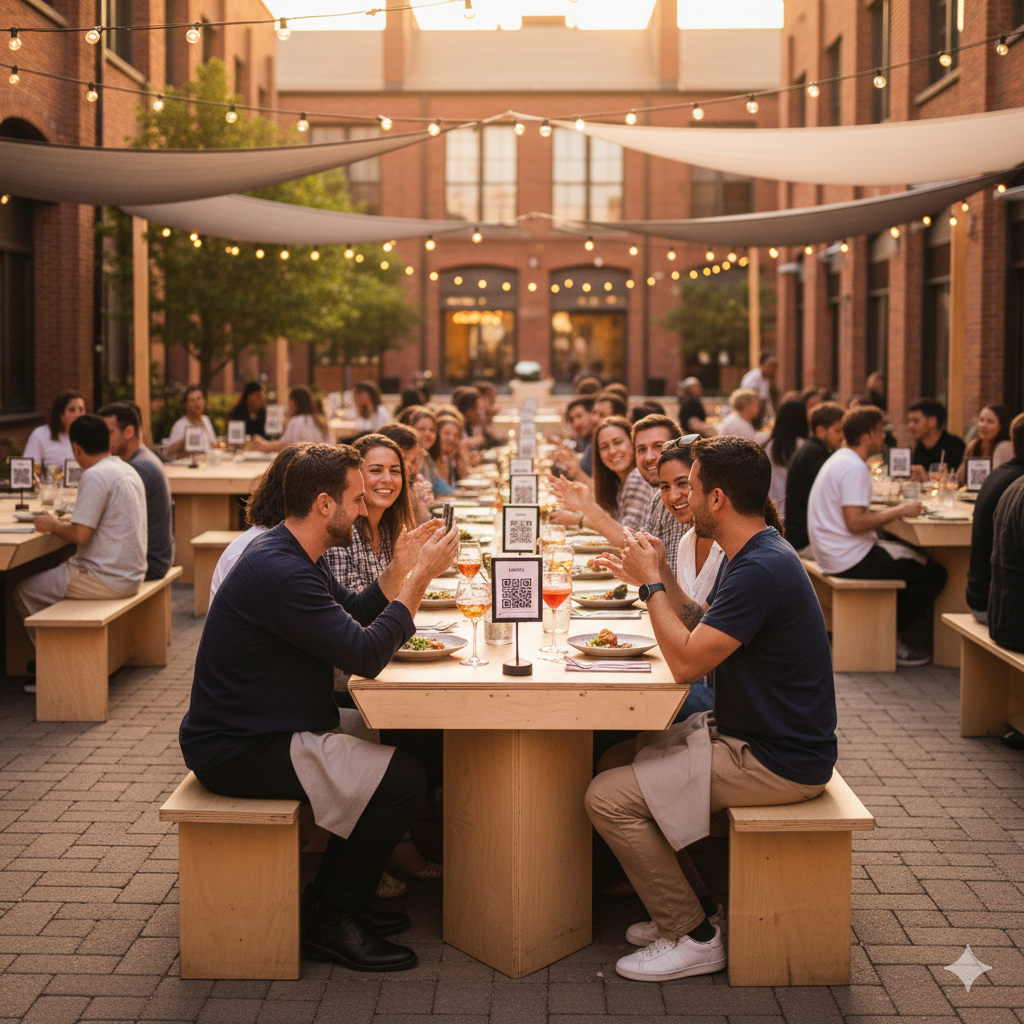
With limited seating and high footfall, QR code ordering helps create a smooth service flow. Guests can scan, browse, and order online without queuing at the counter, which reduces congestion and increases efficiency. This enables pop-ups to handle more orders with fewer staff members, improving speed and revenue.
Integrated CRM and Loyalty
NOVA captures guest data automatically with every order, helping pop-up operators build a customer base from day one. This is crucial for retaining fans, announcing future pop-ups, or launching a permanent location later. The loyalty system allows operators to offer rewards that incentivize repeat visits, even within short event durations.
Built-In WhatsApp, SMS, and Email Marketing Powered by AI
NOVA includes built-in AI that creates and sends marketing campaigns with just a few clicks. Operators can instantly share updates, limited-time menus, or location announcements without needing additional tools. This AI-powered automation keeps engagement high throughout the pop-up’s run and helps maximize repeat visits.
Restaurant Webstore for First-Party Ordering
NOVA enables pop-ups to set up their own branded restaurant webstore for first-party ordering. Guests can place orders directly without relying on aggregators, helping operators keep more of their revenue. This is especially valuable for pre-orders, pick-up models, and limited-edition menu drops.
Seamless Integration With Third-Party Ordering Platforms
For pop-ups expecting high demand or broader reach, NOVA integrates with major third-party delivery and ordering platforms. This ensures that online customers can order easily from wherever they are already browsing. It also helps operators manage all orders from one system, avoiding operational chaos.
Real-Time Analytics
NOVA provides instant access to real-time insights such as top-selling dishes, peak hours, and live inventory levels. This allows operators to make quick decisions during the pop-up to reduce waste and maximize revenue. After the event, the analytics serve as a roadmap for menu optimization, pricing strategy, and future planning.
Easy Scalability From Pop-Up to Full-Time Restaurant
Many successful restaurants begin as pop-ups, and NOVA is built to grow with them. Operators can start with a temporary setup and transition to a permanent location without switching systems. All customer data, loyalty history, and menu insights remain intact, creating a smooth pathway from pop-up concept to long-term brand.
.png)
Challenges of Pop-Up Restaurants
Pop-ups come with a unique set of challenges:
- Licensing complications
- Space and equipment limitations
- Unpredictable footfall
- Small staffs
- Inventory pressures
- Tech reliability
Smart planning and the right tools can reduce most of these issues.
The Future of Pop-Up Dining
Pop-up dining is becoming more experimental and more tech-enabled. Expect growth in:
- Data-driven location planning using restaurant technology platforms like NOVA
- AI-assisted menu prediction
- Hybrid dine-in plus delivery models
- Sustainable and zero-waste pop-ups
- Pop-ups graduating into permanent restaurants
This is not just a trend. It is a new business model.
Conclusion
Pop-up restaurants redefine how we experience food. For diners, they offer unique and memorable experiences. For entrepreneurs, they provide a low-risk way to test, learn, and scale.
Technology is now the engine that makes pop-ups successful, and platforms like NOVA help operators launch, manage, and grow with speed and efficiency.
Whether you are a food lover searching for the next exciting experience or a creator planning your first pop-up, this format opens the door to creativity, connection, and innovation.