What Is a Full-Service Restaurant? A Complete Guide for New and Growing Restaurant Owners

The restaurant industry is forecasted to reach $1.5 trillion in sales this year. However, with growing competition and evolving customer expectations, new restaurant owners must know the latest trends and the diverse industry landscape.
Among all restaurant types, full-service restaurants (FSRs) are often seen as the most experience-driven and hospitality-rich. But what exactly is a full-service restaurant?
In this blog, we will discuss all there is to know about a full-service restaurant, including its types, features, challenges, and how to open one.
What Is a Full-Service Restaurant?
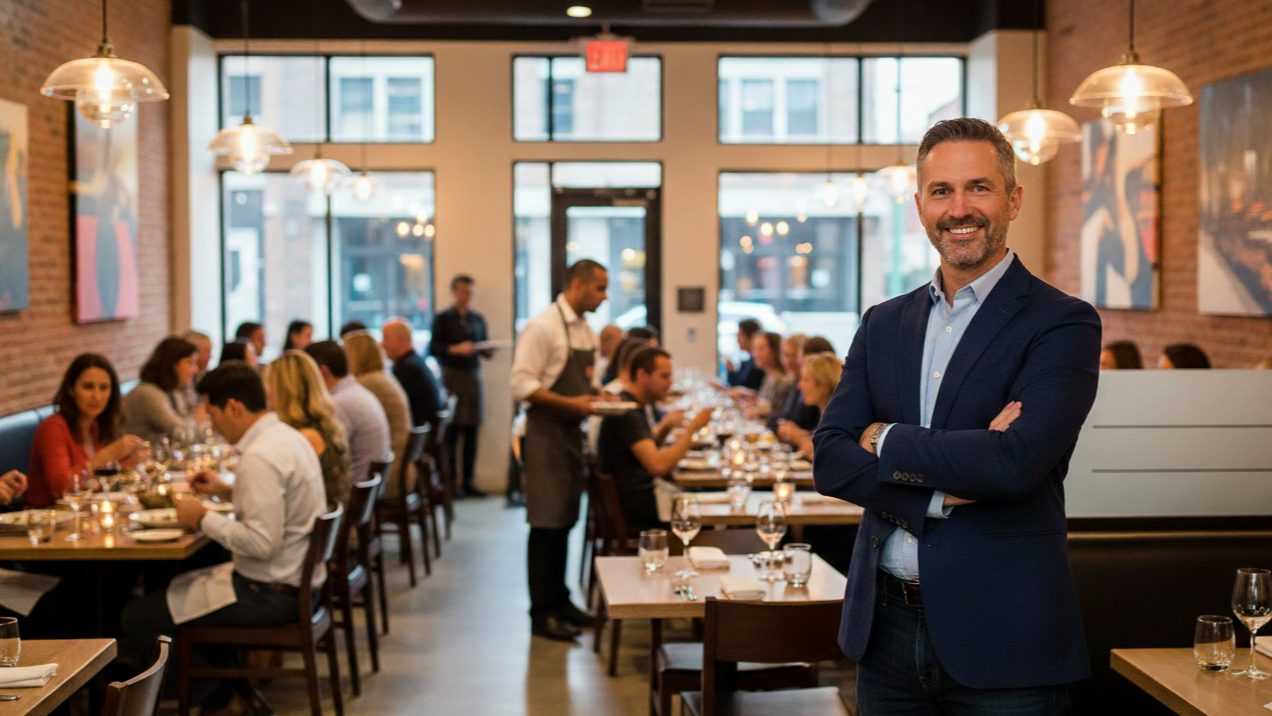
A full-service restaurant is one where guests get served at their tables by the staff. These offer a complete dining experience that starts with the host showing guests to their tables, the server taking their orders, and the busser cleaning the tables. It is unlike a quick-service restaurant where you place your order and receive it at the counter.
In a full-service restaurant, the dining experience matters as much as the food itself. It helps them soak in the atmosphere while enjoying their food. This is why the average monthly spending on dining in the U.S. increased from $166 in 2023 to $191 in 2024.
Let’s discuss the core characteristics of full-service restaurants.
· Table-side Service - In a full-service restaurant, you just need to show up, and the staff takes care of everything else. The servers take care of everything - from suggesting items, catering to personal requests, taking orders, bringing the food, and taking the check.
· Larger Menus - Full-service restaurants offer the most diverse and extensive menu of any other type of restaurant. From appetizers andentrées to desserts and drinks, full-service restaurants offer a complete dining experience.
· Attractive Ambiance - Full-service restaurants focus on the dining experience, which can’t be achieved without the right ambiance. These restaurants want guests to enjoy their meals in the best decor, with perfect ventilation, and comfortable seating.
· Higher Pricing - A full-service restaurant has higher menu pricing than any other restaurant type because its owners invest significantly in their interiors, staff, kitchen equipment, and more. Moreover, the physical space needed is considerably larger.
Full Service vs. Quick Service Restaurant
Full-service and quick-service restaurants differ in certain core parameters.
Types of Full-Service Restaurants
Fine Dining
It is a top-of-the-class full-service restaurant that offers the best guest experience.
They have a gourmet menu with an aesthetic decor that reflects luxury. The staff is well-dressed and well-spoken, and ensures personalized service. Most fine dining restaurants have a dress code for customers.
Casual Dining
Casual dining is more affordable than fine dining restaurants. It has comfortable seating and light decor, and does not impose any dress code. Most casual dining establishments offer a value-for-money menu. Hence, they are ideal for regular outings with family or friends.
Family-style
As the name suggests, these restaurants are designed primarily for families and groups. They offer large portions that can be shared among all guests. People usually prefer these restaurants for celebrations and communal gatherings.
Experimental Dining
These restaurants focus on providing unique experiences to guests. They have niche and innovative concepts with unconventional menus. Most experimental dining restaurants offer an immersive experience to guests. For instance, the Belles Beach House in Venice, California, provides a laid-back, 1970s island vibe, serving fresh, hand-crafted cocktails and Hawaiian Izakaya cuisine.
How a Full-Service Restaurant Works: The Core Operations
A full-service restaurant has multiple departments and operations that must work in tandem to ensure a profitable business. Let’s discuss them in detail.
Front-of-House (FoH)
The Front-of-House department comprises the staff who work on the customer-facing side. It includes hosts, servers, bussers, and bartenders. The FoH is responsible for ensuring guest satisfaction by providing the best service. From greeting the guests and presenting the menu to taking orders, receiving payments, and maintaining hygiene, FoH staff can impact table turns, customer retention, and brand image. They also need to coordinate with the Back-of-House staff to ensure timely preparation.
Back-of-House (BoH)
The BoH staff comprises all workers who work at the backend, including chefs, the kitchen manager, line cooks, and dishwashers. The BoH staff is responsible for maintaining the quality, taste, and aesthetics of the dishes. The staff follows proper sanitation protocols to maintain kitchen hygiene. Moreover, kitchen managers must track inventory levels and the integrity of ingredients to ensure only fresh food is served.
Menu Management
The menu is an integral part of any full-service restaurant. Successful restaurants make it a priority to analyze their menus regularly to identify which items are selling, and at what time. For instance, a Grilled Chicken Wrap sells extremely well during lunches, but sales drop sharply during dinner hours. The restaurants can adjust their digital menu to push this item more during lunch hours. The menu is also adjusted according to seasonal availability and cost fluctuations.
Costs Involved in Running a Full-Service Restaurant
There are numerous costs to consider when operating a full-service restaurant. However, these can be categorized broadly into two sections -
Capital Expenses
Running a full-service restaurant involves multiple capital investments, starting from the lease or purchase of property. Other expenses include -
· Layout Design
· Permits
· Kitchen Equipment
· Furniture
· Technological Tools (POS, kitchen display system, etc.)
· Pre-marketing
Operational Expenses
Operational expenses are the recurring costs that full-service restaurants incur. These include -
· Employee hiring and training
· Inventory
· Rent and Utilities
· Technological upgradation
· Cleaning supplies
· Power bills
· Marketing and advertising
The average operating cost of a restaurant in the U.S. is around 85%, which leaves only 3-5% of its sales as net profit. Therefore, full-service restaurants implement cost control measures to ensure high profitability.
Challenges Surrounding a Full-Service Restaurant
Running a full-service restaurant comes with its challenges. Let’s discuss the major ones.
Rising Labor Wages
The U.S Department of Labor has increased the minimum wages in all states. These increase labor costs significantly for full-service restaurants, as they have extensive teams.
Labor Shortage and High Turnover
According to the Restaurant Workforce Report, 65% of respondents described the labor shortage as a major issue. A labor shortage can lead to lower guest satisfaction as there are fewer workers per table. Moreover, a high turnover rate leads to significant training costs, hampering profitability.
High Operational Costs
Full-service restaurants incur the highest operational expenses among all. They require large spaces to operate, need to procure an extensive inventory, and hire a large FoH and Boh team. Moreover, rising inflation makes matters even more challenging. According to the National Restaurant Association, the food and labor costs have each increased by 35% in the last five years.
Inventory Management
Inventory management is paramount to ensure consistent food quality and availability. However, a minor issue in the supply chain can cause untimely delivery of ingredients, leading to major disruptions. Restaurants must also ensure they are not overstocked, as it leads to wastage.
Steps To Open a Full-Service Restaurant
Planning to open your own full-service restaurant? Here is a step-by-step guide to streamline the journey.
Define the Concept
You must decide what type of full-service restaurant you want to open (casual dining, fine dining, or experimental). Then define the restaurant’s concept and aim to be unique. You must build the menu and layout as per the concept.
Conduct Thorough Research
Market research is essential for identifying target audiences, competitor strengths and weaknesses, local preferences, and latest trends. You must also research the permits required to open the restaurant.
Create a Restaurant Business Plan
Create a well-structured restaurant business plan to give your vision a realistic approach. The plan must include key sections, such as executive summary, concept, brand description, service model, etc. Having an elaborate plan also helps you secure funding from investors.
Secure the Funding
Depending on the restaurant type and scale, analyze the type and amount of funding you require. You can look to secure funding from various sources, such as personal loans, SBA loans, angel investors, and crowdfunding.
---------------------------------------------------------
Must Read: Restaurant Business Loans
---------------------------------------------------------
Choose the Location
Try to select a location that maximizes revenue. Look for high-traffic areas, such as colleges and markets. Ensure the location has parking availability, ventilation, and less competition.
Design the Layout
Design a layout that has proper lighting and ventilation. You must also ensure easy accessibility to the tables and the washroom. The kitchen must have designated areas for cooking, cleaning, and distribution.
Decide the Menu
Try to keep the menu concise but versatile. Identify the signature dishes and place them at the top of the menu. Set reasonable pricing and portion sizes to attract first-time customers.
Obtain Permits
You must obtain all required permits to avoid an event of non-compliance. Make a list of all the permits relevant to your restaurant, which can include a business license, a liquor license, a Restaurant Zoning and Sales Tax Permit, and a Food Service Establishment Permit.
Purchase Equipment
You need to procure all the kitchen and technological equipment needed to run a full-service restaurant. These include POS, kitchen display system, refrigerators, oven, etc.
Hire Staff
Your employees are the face of the restaurant. Create a defined process for hiring the best workers. Ensure regular training and incentives to keep them motivated and reduce turnover.
Ensure Continued Profitability with NOVA
NOVA is an all-in-one restaurant management solution that offers everything you need to run a full-service restaurant. With NOVA, you get -
All-integrated Solution
From POS and CRM to kitchen display systems and loyalty programs, we offer a comprehensive restaurant solution. Eliminate integration challenges of a fragmented tech stack and get real-time sync.
Advanced Analytics
Get deep data insights and advanced reporting with the AI-native NOVA platform. NOVA analyzes the information from multiple sources to generate actionable prompts for productivity enhancement, sales improvement, cost reduction, workforce management, and more.
Smart Loyalty Programs
Ensure customer retention with NOVA’s personalized loyalty programs. The loyalty program is integrated with all platforms, including marketing campaigns, online ordering, and handhelds, facilitating easy redemption and the best offers.
--------------------------------------------------------------------------------------
Must Read: Why Retention is the New Growth in Restaurants
--------------------------------------------------------------------------------------
Automated Marketing Campaigns
NOVA’s AI-powered marketing campaigns empower you to launch campaigns in a couple of steps. Create personalized campaigns and send them over multiple channels to the right audience at the right time.
Tableside Ordering
NOVA’s handheld POS system for restaurants ensures optimum guest experiences by facilitating tableside ordering. Guests can order, pay, and tip - all on one platform. Servers get automated prompts based on customer preferences and order history. Enable a high table turnover rate, improve order accuracy, reduce wait times, and boost sales with NOVA’s handhelds.
Workforce Management
NOVA’s workforce management optimizes staff management and reduces labor costs. The cloud-based solution empowers managers to track time and manage shifts from their smartphones. Integrate with HR solutions to get a complete solution.
Omni-channel Online Ordering
NOVA offers multiple online ordering platforms, including a restaurant webstore and the NOVA mobile app. You cancustomize these platforms as per the brand, capture orders, and integrate with the loyalty program. Any menu changes are reflected consistently across all platforms.
Waitlist Management
Enhance guest engagement and cash-in upselling opportunities with waitlist management. Send personalized messages to customers about special offers and pre-orders. Track the waitlist campaign performance and get deep insights.
Full-Service Restaurants Are Evolving and How
Full-service restaurants have offered guests unforgettable experiences over the years. However, with the expectations of the new-generation customers and evolving technological solutions, new restaurant owners must adapt quickly. Keeping a balance of unique and delightful experiences is critical. Moreover, they must be aware of all the latest trends and technologies available at their disposal.
If you want to experience a fully automated restaurant management solution, get in touch with us or book a free demo now.