Fast Food Restaurant Trends 2026: What Will Shape the Next Wave of Quick-Service Dining?

The global fast-food game has been on a serious glow-up. Over the last five years leading up to 2025, the industry climbed to a massive $1.1 trillion, growing at about 4.1% every year. And honestly, it makes sense; people have a little more spending power, and treating yourself to a quick bite has basically become the default vibe.
However, the competition for getting footfall is only getting fiercer. If your team isn’t on its feet with flawless services, the customer may not return.
But how do you repeatedly give customers speed, accuracy, and personalization without turning your kitchen into chaos? And more importantly, how do you keep margins healthy when costs keep climbing? If you’ve asked yourself about these at least once this week, you’re definitely not alone.
As we step into 2026, fast food brands are not just tweaking old systems; they’re stepping into a future powered by AI, automation, and intelligent decision-making. Think of it as the “smart restaurant era,” where machines handle the repetitive stuff, and your team finally gets room to focus on service.
What lies ahead in this blog is a complete breakdown of the top fast food restaurant trends for 2026, how consumer expectations are shifting, and why AI-native platforms like NOVA are becoming the secret weapon for brands that want to stay ahead.
How Fast Food Evolved in 10 Years: A Before-and-After Look at QSR Trends
Trend 1: AI-Native Operations Take Center Stage (Because Humans Can’t Predict Everything)
The biggest shift sweeping the fast food restaurant trends list for 2026 is the rise of AI-native operations. Not AI patched onto old systems, but platforms built with AI at the core.
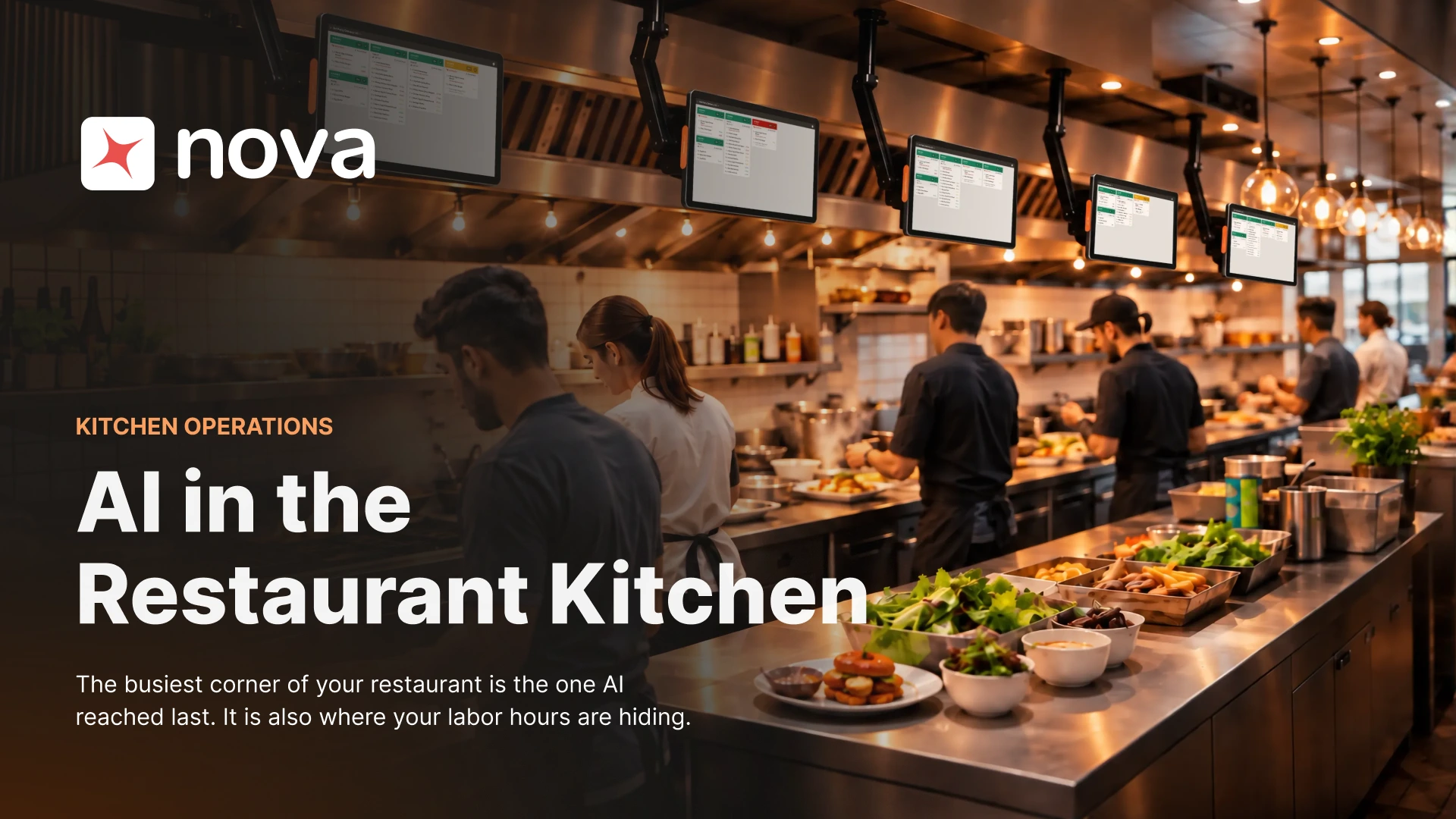
Imagine drive-throughs powered by Vision AI that read car queues, predict ETAs, and guide teams before chaos starts. Or food prep stations where AI flags bottlenecks even before they happen. These tools give operators something they’ve always wanted: control during peak rush.
On top of that, AI-powered restaurant POS systems are now predicting rush windows, staffing settings, stock movements, and even menu performance for upcoming hours. When managers don’t have to rely on guesswork, KPIs like speed of service start climbing naturally.
Systems like NOVA’s AI suite sit perfectly in this trend, creating a single AI backbone for forecasting, queue management, operations, and menu planning. It’s not just automation. It’s clarity.
Trend 2: Hyper-Personalized Ordering Through Data & Loyalty (Gen Z Won’t Order Any Other Way)
If your loyalty program treats everyone the same, it’s already outdated. Another major shift in fast food restaurant trends is the rise of hyper-personalized ordering. Data is the new currency, and loyalty systems are finally catching up.
Restaurant CRMs are pushing menu recommendations based on what customers ordered last Tuesday, their spice tolerance, or even their late-night snacking habits. Prices, rewards, and offers now change from person to person. Gen Z expects personalization like it’s a birthright, and QSRs are shaping entire tech stacks around this demand.
The future is a unified customer profile that follows the guest everywhere, self-ordering kiosks, restaurant webstore, apps, ordering websites, and in-store counters. This level of understanding helps restaurants boost RPU because each visit feels customized, intentional, and rewarding.
Trend 3: The Rise of “Zero-Wait” Formats (Because Slow Lines Kill Sales)
This is the era of customers who won’t tolerate long lines. So it’s no surprise that fast food restaurant trends for 2026 include ultra-fast, zero-wait formats. These layouts get more customers through the door without needing more staff.
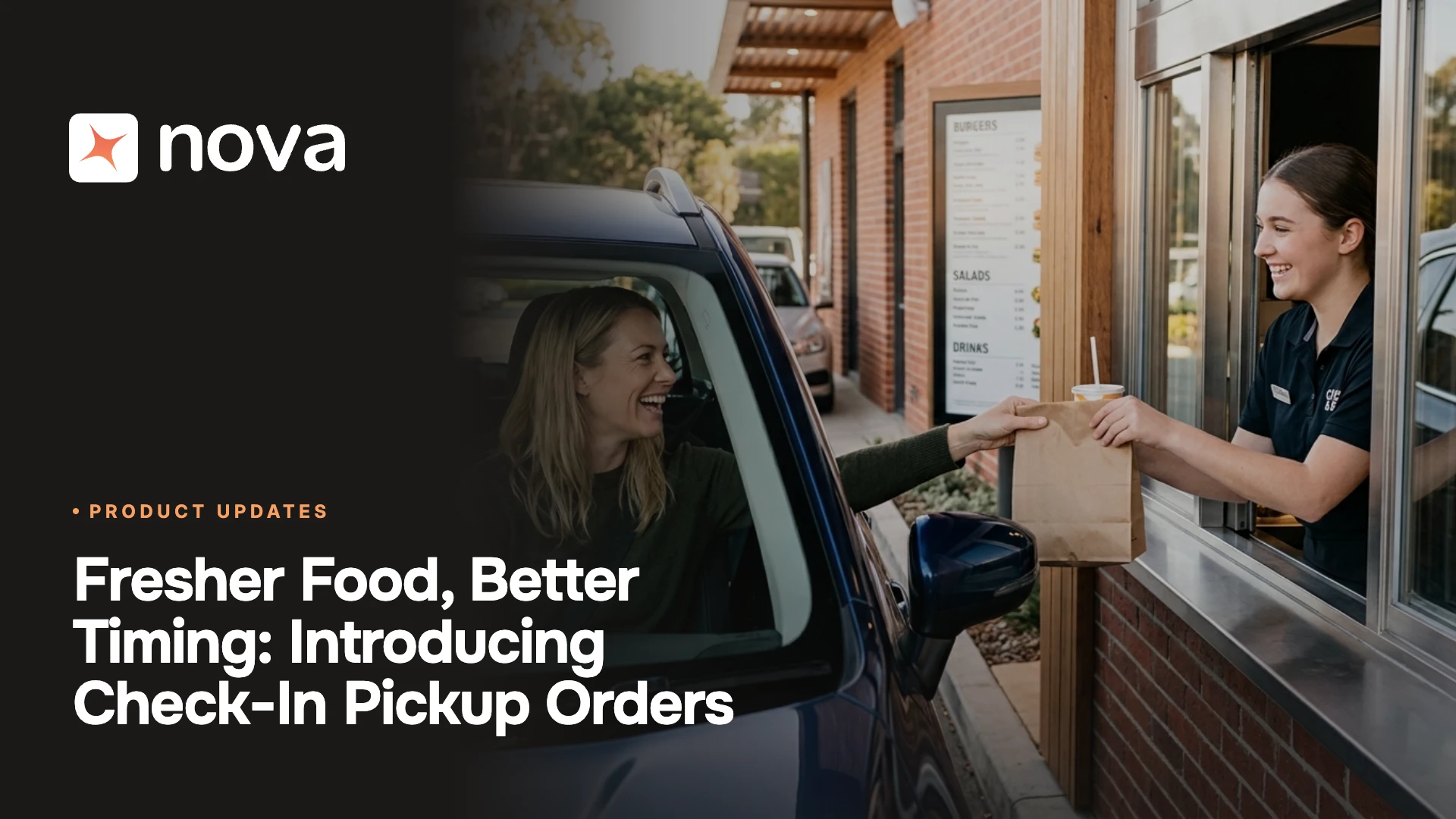
Drive-through 3.0 is here with dual lanes, conveyor-style pickup systems, and automated order confirmation screens. In busy cities, walk-up windows and pre-order pickup lockers are becoming the norm for micro-locations. It’s fast, efficient, and ideal for delivery-heavy demand.
In 2024, the QSR market in the United States hit $289.68 billion, and more than half of that came straight from drive-through windows. It’s clear that people still love the comfort of ordering from their cars, and brands that get this right are winning big.
AI takes this further through smart lane routing and dynamic ETAs. Cars move where they should, delays are avoided, and throughput increases. When seconds matter, these designs decide who wins the market.
Trend 4: Smart Self-Ordering Kiosks Become the Default (Customers Don’t Want to Explain Their Order Twice)
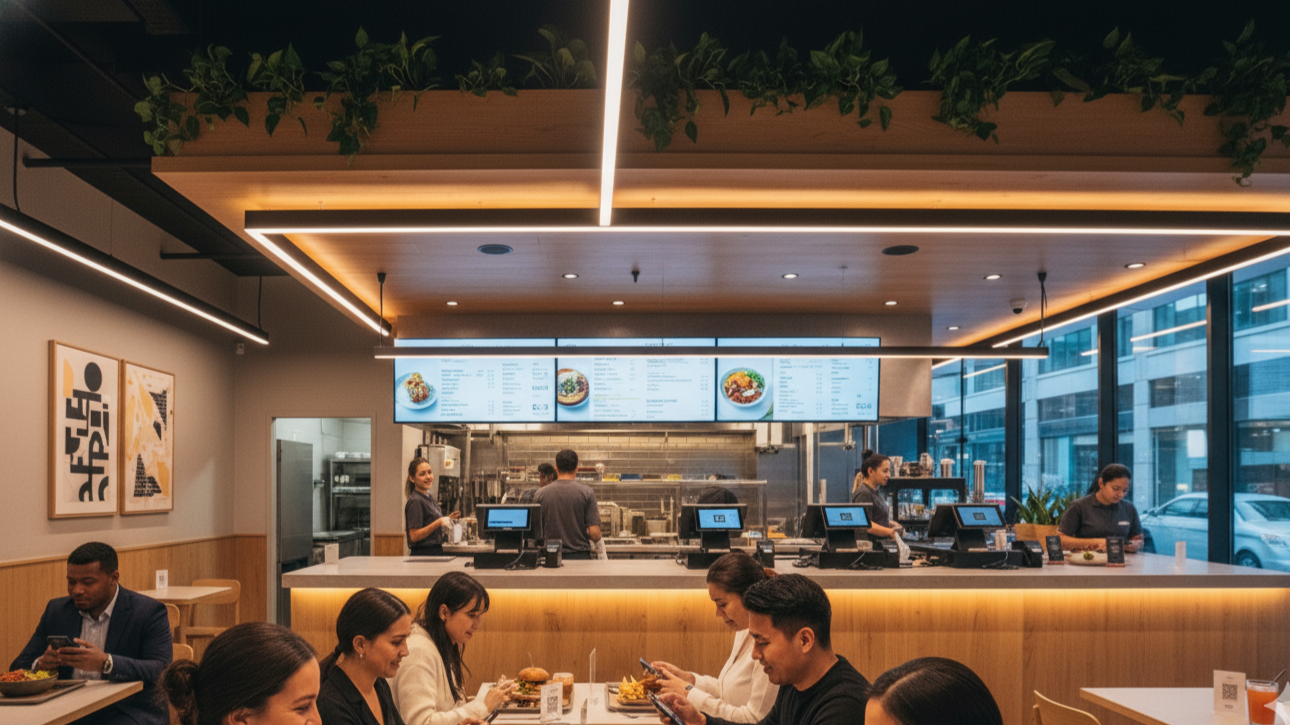
Self-ordering kiosks are no longer an “add-on.” Based on current fast food restaurant trends, more than 70% of chains will make kiosks the primary ordering method by 2026.
Why? Because, Kiosks increase order value, reduce errors, and give customers privacy and time to customize. Add-on suggestions feel natural, upsell journeys are smooth, and the whole process has zero social pressure.
What’s new is the intelligence behind them. Computer vision now verifies IDs, enables tap-and-go experiences, and secures payments. And with rising staffing challenges, kiosks often become the fastest way to cut costs without cutting experience.
The result is a smoother workflow for teams and higher conversion for brands.
Trend 5: Health, Sustainability, and Local Influence Menu Innovation (Consumers Want Smart Indulgence)
Menus are changing too, and this is one of the changes deep-rooted in the mainstream fast food restaurant trends. The new customer does not wish to choose between taste and health. They want both.
Thus, restaurants are trying high-protein, low-carb, allergen-free diets without making them feel restrictive. Green ingredients are also on the increase, and there are brands that also label carbon on their goods so that guests can make earth-friendly decisions.
Local flavor is becoming increasingly popular due to social media, making local food a global celebrity. Fusion bowls, spice-led seasonal, and comfort-based regional are all trending well.
Trend 6: Fast Food Loyalty (Predictable Revenue = Happy CFOs) Subscription Models.
Among the trends of fast food restaurants is the growth of loyalty through subscription, which has been one of the fun surprises in the list. Consider it as Netflix but with meals.
Consider monthly meal passes, refill subscriptions, or priority pickup programs. Customers enjoy predictable spending, and QSRs enjoy predictable revenue. It’s a win-win.
There is already significant traction with some of the early adopters. Individuals like to feel like a VIP, and restaurants like to have such customers locked in to make a repeat visit without intensive promotions.
The new loyalty goldmine is the subscriptions.
Trend 7: Immersive Branding and Online Experiences (Because Every Customer Touchpoint is Now Marketing)
Branding has ceased to be a campaign. It’s an experience. And immersive branding joins the list of fast food restaurant trends for 2026 high.
The old-fashioned ads could not attract half as much hype as the influencers' release of new menu, AR sneak previews, and the fun loyalty rewards do. People are no longer looking at a brand; they are tapping one, scanning one, ordering one, sharing one in apps, kiosks, socials, and even the packaging it comes in.
Such a degree of digital storytelling is not just entertaining. It produces emotional stickiness. Visitors do not consider themselves as customers, but as members of a community.
Trend 8: Profit Driven by Real-Time Analytics (Gut Feeling Has Finally Retired)
Modern QSR operations are being supported by real-time analytics. And of course, this is connected directly to the largest trends of the fast food restaurant that are driving 2026.
Live dashboards have been adopted by brands to track food expenditure, menu performance, as well as reordering exact quantities. Dynamic pricing changes according to time, amount of inventory, or even the weather of the day.
Margins are enhanced when the decisions are supported by facts rather than intuition. Waste drops. Inventory stays steady. There is ease in menu engineering. It is one of the best upgrades that a QSR can have.
What Fast Food Operators Should Do in 2026: A Practical, No-Nonsense Checklist
Here’s your simple roadmap for staying ahead of fast food restaurant trends in 2026, and how NOVA helps you get there:
1. Upgrade to an AI-native POS
Move to a system built for forecasting, routing, queue management, and real-time analytics. NOVA’s AI-native quick-serve restaurant POS gives operators instant visibility into rush hours, menu performance, and staffing needs, turning guesswork into predictable outcomes.
2. Invest in self-ordering kiosks and smart automation
Adopt kiosks, computer vision, and hardware that reduce costs while lifting average order value. NOVA’s kiosk ecosystem connects directly with your POS and kitchen systems, creating a smooth customer journey with zero manual syncing.
3. Revamp your loyalty engine with real personalization
A modern loyalty program should adapt to each guest. NOVA’s CRM builds unified customer profiles across ordering channels and uses AI-driven recommendations to increase repeat visits and RPU.
4. Refresh your menu using data-backed trends
Health-focused options, regional flavors, and climate-conscious choices are shaping the future. NOVA’s menu analytics show which items perform best, which ones to retire, and where you can test new ideas without risking margins.
5. Upgrade your drive-through and pickup formats
“Zero-wait” is the new expectation. NOVA’s Vision AI and smart routing help you manage dual lanes, predict ETAs, and optimize prep queues so your throughput climbs without expanding headcount.
Do these five things, and you’ll stay far ahead of the curve.
The Fast-Food Winners in 2026 Will Be Tech-Led, Data-Rich & Powered by NOVA
The next era of fast food will be shaped by brands that move with speed and clarity. Operators who treat AI as the backbone of their business, not an optional add-on, will have a clear edge. Success will come from using data in real time, understanding each customer deeply, and building operations that run with the precision of today's market demands.
This is exactly where NOVA becomes a game-changer. NOVA isn’t just another restaurant tool. It’s an AI-native operating system designed to help QSRs scale without chaos, boost throughput, personalize every touchpoint, and make every decision smarter.
In 2026, the fast-food brands that win big will be the ones that pair ambition with the right technology. With NOVA at the center, that kind of growth isn’t just possible; it becomes predictable.