Corkage Fee Explained What It Is, How Much It Costs, and Why It Matters to Diners and Restaurants
.svg)
Whether you are a diner bringing a special bottle to celebrate or a restaurant owner deciding on a BYOB policy, the corkage fee sits right at the intersection of hospitality and business. It affects guest experience, restaurant margins, and even brand perception. Understanding how corkage works helps diners avoid awkward surprises and helps restaurants create policies that feel fair while protecting revenue.
What Is a Corkage Fee
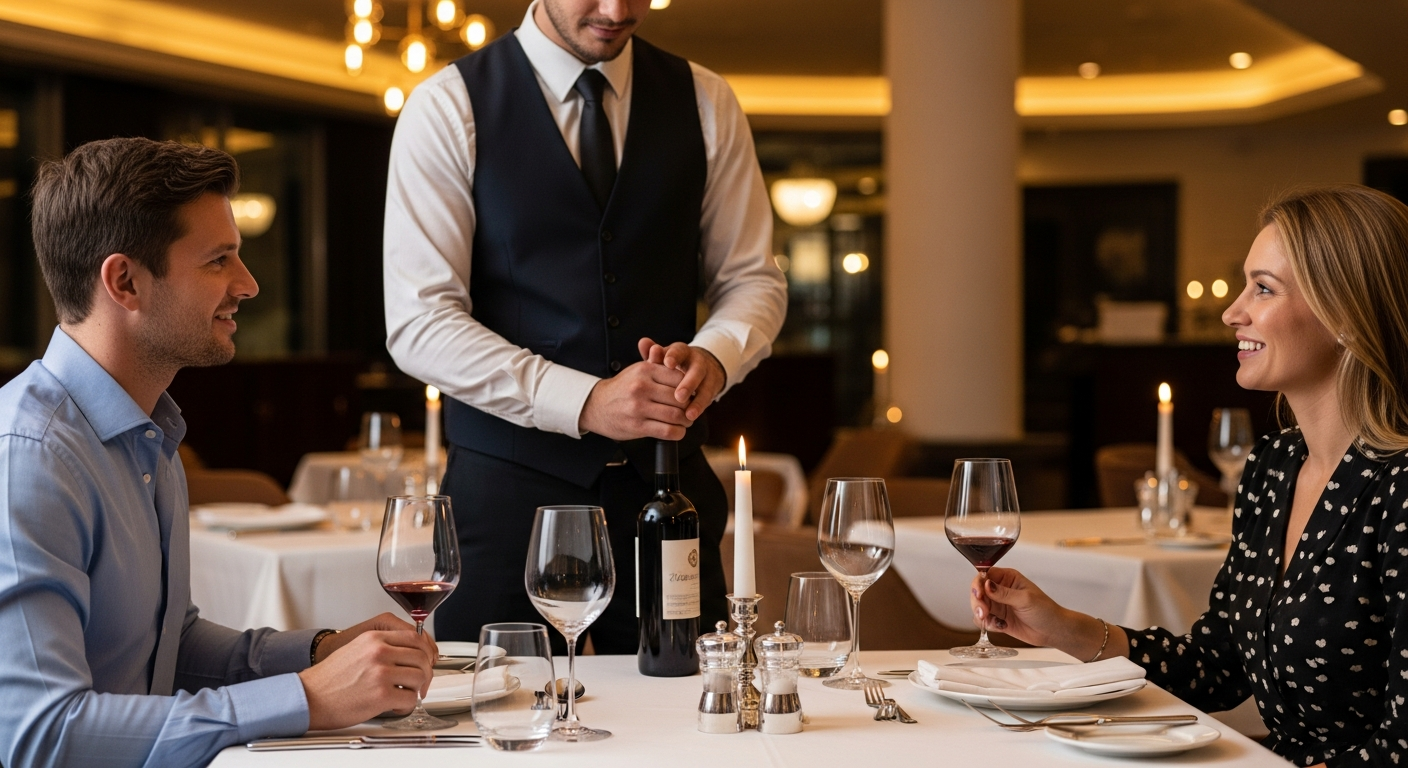
A corkage fee is the charge a restaurant applies when guests bring their own bottle, usually wine, to drink on the premises. The fee covers the service and operational aspects that still exist even though the bottle was not purchased from the restaurant.
These include:
- Opening and sometimes decanting the bottle
- Providing appropriate glassware
- Serving the wine at the table
- Washing and handling glassware
- The opportunity cost of not selling a bottle from the restaurant’s own list
In short, you are not paying for the wine itself. You are paying for the experience and service around it.
How Much Is a Corkage Fee
Corkage fees vary widely depending on city, restaurant type, and positioning.
Typical ranges:
- Many casual and mid-range restaurants charge between 10 and 50 dollars per bottle
- Industry guides commonly place average corkage around 20 to 35 dollars per bottle in many markets
- In upscale urban restaurants, corkage can rise to 40 to 100 dollars or more, with some high-end venues in major cities reportedly exceeding 150 dollars per bottle
This widespread reflects differences in rent, service standards, wine program strength, and target audience.
Why Restaurants Charge Corkage Fees
From the outside, corkage can look like an extra charge. From inside the business, it solves real financial and operational challenges.
1. Protecting Beverage Revenue
Alcohol sales typically carry some of the strongest margins in a restaurant. When guests bring their own bottle, the restaurant loses a potential sale. A corkage fee helps recover part of that lost revenue while still accommodating the guest.
2. Covering Service Costs
Even when the wine is not sold in house, staff still provide service. They open the bottle, serve it, replace glasses, and clean up. Those labor and utility costs do not disappear just because the wine came from outside.
3. Supporting the Wine Program
Restaurants invest in building curated wine lists, storage, licensing, and sometimes sommeliers. Corkage helps maintain fairness between guests who buy from the list and those who bring outside bottles.
4. Managing Perception and Positioning
In higher-end venues, a well-priced corkage policy can actually enhance brand perception. It signals that the restaurant respects wine culture while maintaining professional standards.
Common Corkage Fee Models
Restaurants structure corkage in a few typical ways.
Flat Per Bottle Fee
The most common model. For example, 25 dollars per bottle regardless of wine type. It is easy for staff to explain and for POS systems to apply.
Tiered Fee
Some restaurants vary corkage based on the type or value of the bottle. This is less common because it adds complexity and can create uncomfortable conversations.
Per Person or Per Table
Used more often for large groups or private events. This helps restaurants manage situations where many bottles are brought to one table.
Conditional Waivers
Some venues waive or reduce corkage if guests also purchase a bottle from the restaurant’s list. This encourages in-house sales while still offering flexibility.
Corkage Etiquette for Diners
Good etiquette makes corkage feel like hospitality instead of a transaction.
Call ahead
Always confirm the corkage policy before bringing a bottle. Not all restaurants allow BYOB, and rules can change.
Do not overdo the quantity
Most restaurants expect one or two bottles per table unless discussed in advance.
Bring something special
Corkage is generally intended for unique, aged, or sentimental bottles. Bringing a mass-market wine that the restaurant already sells can feel disrespectful.
Tip appropriately
Corkage is not a substitute for gratuity. Staff still provide beverage service, so tipping norms still apply.
Respect a no
Some restaurants do not allow outside alcohol due to licensing or brand reasons. Respecting the policy maintains goodwill.
Pros and Cons of Corkage
For Diners
Pros
- Enjoy a favorite or rare bottle
- Celebrate special occasions with meaningful wines
Cons
- Fees can reduce or eliminate cost savings
- Policies can vary and cause confusion
For Restaurants
Pros
- Attracts wine-savvy guests and special occasions
- Generates some revenue even when outside wine is consumed
Cons
- Can reduce sales from the wine list
- Requires staff training and clear communication
Should Your Restaurant Offer Corkage
Restaurant owners should look at corkage as a strategic choice.
Ask:
- Does corkage align with your brand positioning
- What do comparable restaurants in your area charge
- Can your team communicate the policy clearly
- Will corkage attract your ideal guest profile
Fine dining and wine-focused concepts often benefit from corkage. Quick service and fast casual restaurants usually do not.
Best Practices for Setting a Corkage Policy
- Keep pricing simple and easy to explain
- Clearly define bottle limits
- Publish the policy on your website and menus
- Train staff on how to discuss corkage politely
- Consider incentives that balance corkage with wine list purchases
Clarity reduces friction and builds trust.
How Technology Makes Corkage Easier to Manage
Modern restaurant systems like NOVA Platform help turn corkage from a manual headache into a smooth process.
Technology can:
- Add corkage as an automatic line item on the check
- Ensure consistent pricing across locations
- Track how often guests bring their own bottles
- Reduce billing disputes at checkout
- Give managers data on BYOB behavior and revenue impact
When corkage is handled cleanly in the POS, guests see transparency, and staff avoid confusion.
The Future of Corkage Fees
Dining is becoming more experience-driven. Guests want personalization, and restaurants need sustainable margins. Corkage sits right in the middle of those goals. Clear policies, fair pricing, and transparent billing turn corkage into a sign of thoughtful hospitality rather than a surprise charge.
For diners, knowing the policy ahead of time leads to better evenings out. For restaurants, a well-designed corkage strategy supports both guest satisfaction and financial health.
Corkage is not just about a bottle. It is about balancing flexibility, service, and business reality in modern dining.