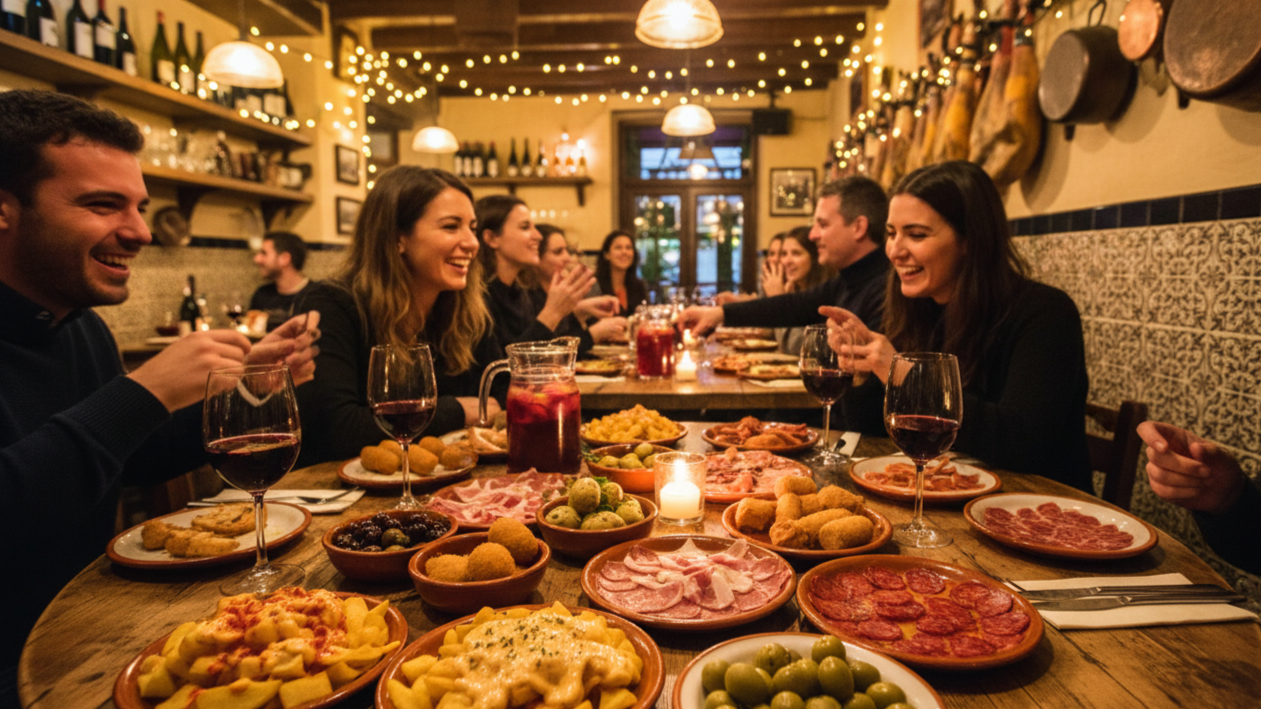

There is something instantly inviting about a tapas bar.
You hear the clink of glasses as conversations flow across the room. Plates move from one table to another as friends gather around, sharing dishes and stories. Another round of drinks arrives, and no one is in a hurry to leave. The energy feels effortless and social.
A tapas bar is not just a place to eat. It is a place where people come together, connect, and enjoy the experience as much as the food. And this style of dining is not just cultural, it is part of a larger global shift.
Across the restaurant industry, small plates are making a strong comeback as diners look for more flexible, social, and experience-driven ways to eat. Guests today want the freedom to try multiple dishes, control how much they spend, and shape their own dining experience instead of committing to a single entrée.
Operators are seeing the same trend. Small plates often lead to higher average checks because guests tend to order multiple items instead of just one main dish. They also reduce food waste and allow restaurants to manage inventory more efficiently.
At the same time, diners increasingly value variety and shared experiences. Instead of one large plate, they prefer sampling different flavors and turning meals into something more interactive and social.
This is exactly where tapas bars fit in.
If you have ever wondered what is a tapas bar, the answer goes beyond small plates. A tapas bar is a social dining concept built around sharing food, enjoying drinks, and spending time together in a lively setting.
While tapas restaurants offer a more traditional sit-down dining experience, tapas bars focus on spontaneity, conversation, and flexibility. Guests can stop in for one drink and a few bites or stay for hours trying different dishes.
What Is a Tapas Bar?
A tapas bar is a casual establishment that serves small Spanish dishes called tapas alongside drinks such as wine, beer, vermouth, or cocktails.
The concept comes from Spain, where the phrase "bar de tapas" refers to a bar that specializes in serving small plates designed for sharing.
Unlike traditional restaurants, where guests order full meals, tapas bars focus on social dining. Guests enjoy several small dishes while standing, chatting, and moving between tables or the bar.
Tapas culture is deeply connected to the Spanish lifestyle. Instead of sitting down for one large meal, people often meet friends after work, enjoy a drink, order a few tapas, and continue the evening across multiple bars.
This tradition is known as "tapeo", which means going from bar to bar sampling tapas and drinks.
The result is a lively dining experience where food, conversation, and atmosphere blend together.
Tapas Bar vs Tapas Restaurant: What’s the Difference?
While tapas bars and tapas restaurants share the same cultural roots, the experience they offer can feel quite different.
Focus and Purpose
A tapas bar is primarily centered around drinks paired with small plates, creating a social and fluid experience. Guests often stop by for a quick drink, stay for a few dishes, and continue ordering in rounds.
A tapas restaurant, on the other hand, focuses on delivering a more complete dining experience. While tapas are still at the core, the intention is to enjoy a full meal in a more structured way.
Atmosphere and Setting
Tapas bars are lively, informal, and energetic. They are designed for movement and interaction, with standing tables, bar counters, and communal seating that encourage guests to mingle.
Tapas restaurants offer a more relaxed and seated environment. The setting is typically calmer, with table service and a layout designed for longer, more comfortable dining.
Menu and Ordering Style
In a tapas bar, the menu is usually smaller and more dynamic, often rotating based on availability or chef specials. Guests tend to order a few dishes at a time and add more as they go.
In a tapas restaurant, the menu is broader and more curated. Guests are more likely to order multiple dishes at once, similar to a traditional dining experience.
Overall Experience
A tapas bar experience is spontaneous and social. It is ideal for after-work drinks, casual meetups, or evenings spent moving between places.
A tapas restaurant experience is more planned and relaxed, making it better suited for date nights, family dinners, or group meals where guests stay seated and dine at their own pace.
If you want to explore how this dining format evolved in more detail, you can also read our complete guide on what is a tapas restaurant.
What Is a Tapas Bar Menu?
A tapas bar menu is designed around small plates that are easy to share and pair with drinks.
Instead of ordering one large entrée, guests usually select several dishes to enjoy together.
Most tapas bars offer a combination of cold tapas, hot tapas, and signature house specialties.
Common Food Items
Some of the most popular tapas include:
Patatas bravas
Crispy fried potatoes served with spicy tomato sauce or aioli.
Croquetas
Creamy croquettes filled with ham, chicken, or cheese.
Jamón ibérico
Thinly sliced Spanish cured ham is known for its rich flavor.
Gambas al ajillo
Garlic shrimp cooked in olive oil and chili.
Chorizo al vino
Spanish sausage simmered in red wine.
Drinks Commonly Served at Tapas Bars
Drinks are a defining part of the tapas bar experience. Common options include:
- Sangria
- Spanish wines
- Vermouth
- Sherry
- Craft cocktails
- Local and imported beers
Regional and Seasonal Variations
Many tapas bars customize their menus based on region, season, or the chef's creativity.
For example:
- Andalusian-style tapas often feature seafood and fried bites
- Catalan-inspired menus may highlight cured meats, anchovies, and rustic breads
- Modern tapas bars may blend Spanish roots with global influences
This flexibility keeps the concept fresh and encourages repeat visits.
Why People Love Tapas Bars
Tapas bars have become popular worldwide because they offer a flexible and social way to enjoy food and drinks with friends.
Here are a few reasons diners love them.
A social dining experience
Tapas bars encourage sharing and conversation. Instead of individual meals, guests enjoy multiple dishes together.
Perfect for casual meetups
Whether it is after-work drinks or a spontaneous gathering, tapas bars create a relaxed atmosphere that does not require a full dinner commitment.
Variety in every visit
Because dishes are small, guests can try many flavors in a single evening.
Culture meets cuisine
Tapas bars capture the spirit of Spanish food culture, which focuses on community, hospitality, and enjoying food together.
Why Tapas Bars Are an Exciting Concept for Restaurant Owners
For restaurateurs, tapas bars offer an appealing business model that combines strong guest engagement with operational flexibility.
Lower setup costs
Tapas bars often require smaller kitchens and simpler equipment compared to full-service restaurants.
Flexible menu design
Small plates allow chefs to experiment with rotating menus, seasonal ingredients, and creative dishes.
Strong beverage sales
Drinks are central to the tapas experience, which means higher beverage margins and consistent bar revenue.
Efficient service
Because dishes are small and quick to prepare, tapas bars can serve more guests in less time.
Technology also plays an important role in running a successful tapas bar. With fast-paced ordering, shared plates, and group tabs, operators need systems that can handle the flow smoothly. Platforms like NOVA’s AI-native restaurant POS help tapas bars manage bar tabs, quick orders, dynamic menu updates, and customer loyalty programs while keeping service efficient.
Tips for Opening a Tapas Bar
If you are considering launching a tapas bar, success comes down to creating the right balance between atmosphere, menu flexibility, and operational efficiency.
Design for Social Interaction
Tapas bars thrive on energy and movement. Focus on layouts that encourage conversation and flow, such as high tables, bar counters, and communal seating. The goal is to create a space where guests feel comfortable standing, mingling, and sharing.
Keep the Menu Dynamic
A strong tapas concept relies on variety and freshness. Rotate dishes regularly based on seasonality, ingredient availability, or customer preferences. This not only keeps regular guests engaged but also allows you to experiment without overhauling the entire menu.
Optimize for Fast, Flexible Service
Unlike traditional restaurants, tapas bars operate in rounds. Guests order multiple times during their visit, which means your service flow needs to be quick and adaptable. Simplified ordering and efficient kitchen coordination are essential.
Use Technology Built for High-Turn Service
Managing multiple small orders, bar tabs, and split bills can quickly become complex without the right systems.
With platforms like NOVA Platform, you can streamline:
- Real-time order management across multiple rounds
- Easy handling of bar tabs and split payments
- Quick menu updates for daily specials or seasonal dishes
- Centralized control of inventory for high-turn items
Leverage Data to Improve Performance
A tapas bar generates a high volume of small transactions, which creates valuable data. Use this to understand which dishes perform best, peak ordering times, and customer preferences. These insights can help refine your menu and improve profitability over time.
Build Loyalty Through Experience
Tapas bars naturally encourage repeat visits. Use loyalty programs and guest tracking to reward frequent customers and personalize their experience. Even small gestures can turn casual visitors into regulars.
Must Read: Loyalty Programs in Restaurants: All you need to know
Tapas Bars: Small Plates, Big Connections
Tapas bars represent one of the most vibrant forms of social dining.
Small plate dining has become one of the fastest-growing menu formats globally. According to the National Restaurant Association, more than 60 percent of diners say they enjoy ordering shareable dishes because it allows them to experience more variety and socialize while eating.
This growing preference for social dining formats has helped tapas bars expand far beyond Spain and into restaurant scenes across Europe, North America, and Asia.
For diners, tapas bars offer an engaging way to explore multiple flavors in a single evening. For restaurant owners, the concept provides a flexible and profitable model that encourages repeat visits, strong beverage sales, and community-driven experiences.
With modern restaurant technology platforms like NOVA, managing a busy tapas bar becomes easier by streamlining orders, managing bar tabs, and creating better guest experiences.